Crafting and Mining in Western Rye
Everything you build, you earned — so stop breaking axes for fun.
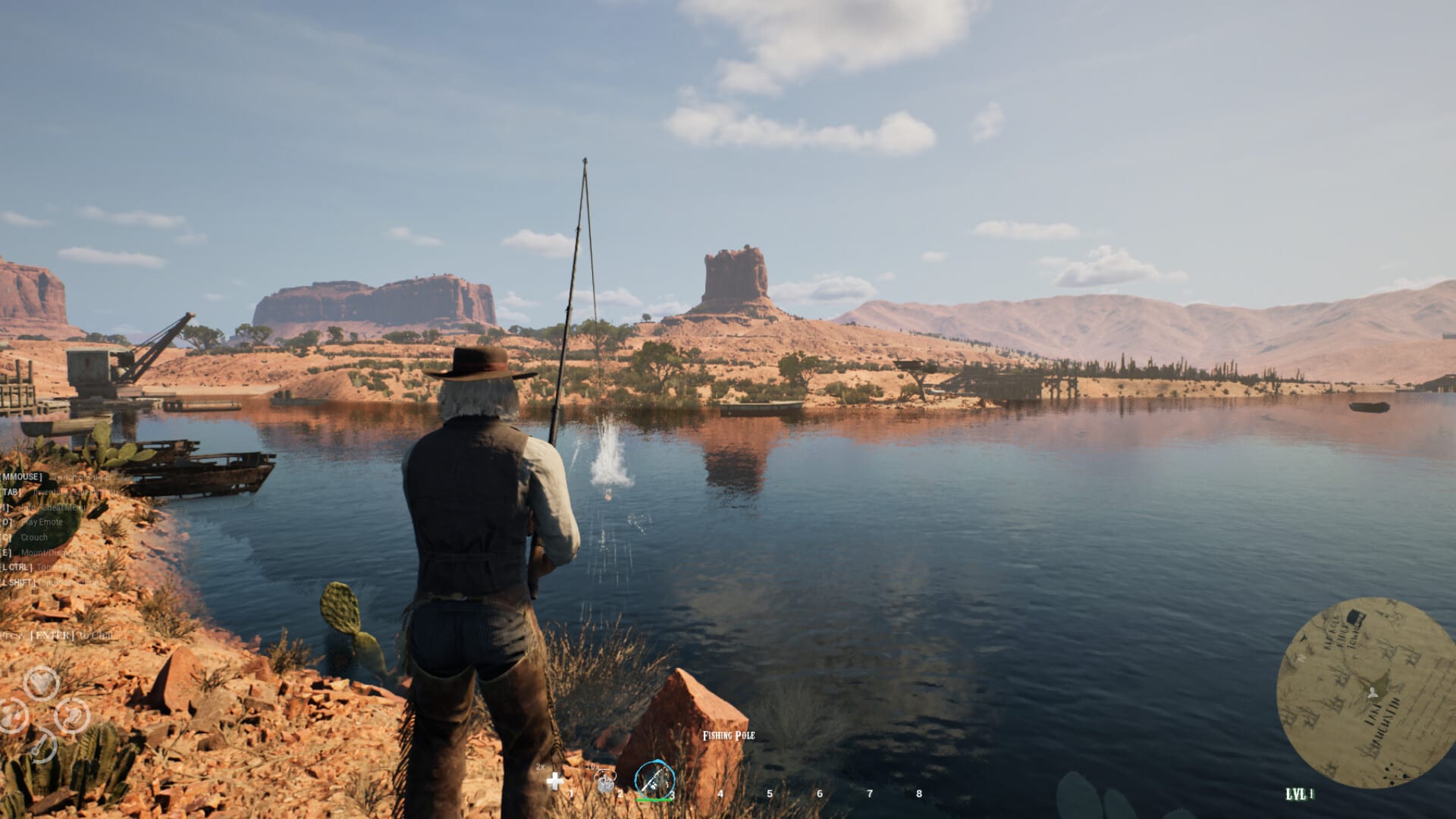
Western Rye wants you to feel the weight of a plank. Chop trees for wood, gather herbs and cactus, mine raw ore, smelt it into ingots, then craft the tools and structures that keep you alive. This page is the systems guide for that loop during Early Access. It is not a fake recipe spreadsheet. If a station is not in your build, it is not in this article.
Start with tools you can repair. An unrepaired axe is how people punch a forest. Build the smelter near the homestead, not as a romantic cave altar you will never visit after dark. Carry ore home. Husks do not care that you were “almost done” with a vein. How to beat Husks is the hearing rule you take underground.
How to get wood, ore, and a smelter
Wood is everywhere you can walk without dying. That does not mean you should strip the yard bare and leave the ranch looking like a tax audit. Leave a screen of trees if they block sightlines you do not want bandits to enjoy. Then go find a mining cave. Abandoned locations and caves are part of the official map pitch. Treat them as workplaces with poor lighting and worse acoustics.
Craft a mining tool before you enter. Punching ore is a speedrun to a broken hand. Smelt as a batch, not as a fidget. A smelter running all night beside a planter is a noise and fire problem. See farming and weather before you industrialize the porch.
Repairs are the adult part of crafting. The store page lists repair as a core verb. Believe it. A rifle that cannot fire is a stick. A door hinge you never touch is how wind gets a vote. Keep a repair habit next to the stove so cooking and maintenance share a room.
How to protect your stations
Stations are loot. Raiders understand that even if you role-play as a peaceful vintner. Close the room. Do not advertise a glowing smelter to a supply-route gang. Factions will explain who likes fire. You only need to know that wood plus pride plus an open door is a bonfire kit.
In co-op, one player can feed the smelter while another watches the ridge. Do not all stand in the spark light. Someone should still hear the yard.
How crafting feeds combat and travel
Ingots become nails, tools, and eventually the western guns you actually came for. Read weapons when you can afford to maintain them. Until then, a repaired axe and a closed door beat a rusted repeater. Horses and long rides make repair even more important; a snapped tool in a canyon is a hike you did not schedule. The map will not shorten that walk.
Early Access still plans more crafting stations and recipes. Day 3 already rebalanced several recipe quantities and container loot, so a winter demo screenshot is not a contract. Build the loop you have. When a new bench arrives, the Updates Hub will say so. Until that note exists, smelt, repair, and go to bed.
If you need a simpler list, the Survival Hub is the index and the first-night checklist is the onboarding version. Crafting is just the part where the frontier starts looking like it belongs to you.
Frequently Asked Questions
Quick answers to the most common questions.
Where should I put the smelter?
Inside or beside a closed homestead, not in a cave you will abandon at dusk.
Do I need a full weapon bench on day one?
No. Tools and repairs first. Guns are expensive to ignore once they break.
Are there published recipe IDs?
Not as a complete public database. This page documents the loop Nixalon already shipped: gather, smelt, craft, repair.
Should I mine at night?
Only if the ranch is closed and someone is still listening. A glowing cave mouth is a dinner bell.