Western Rye Survival Hub
Craft, cook, hunt, and outlast the weather.
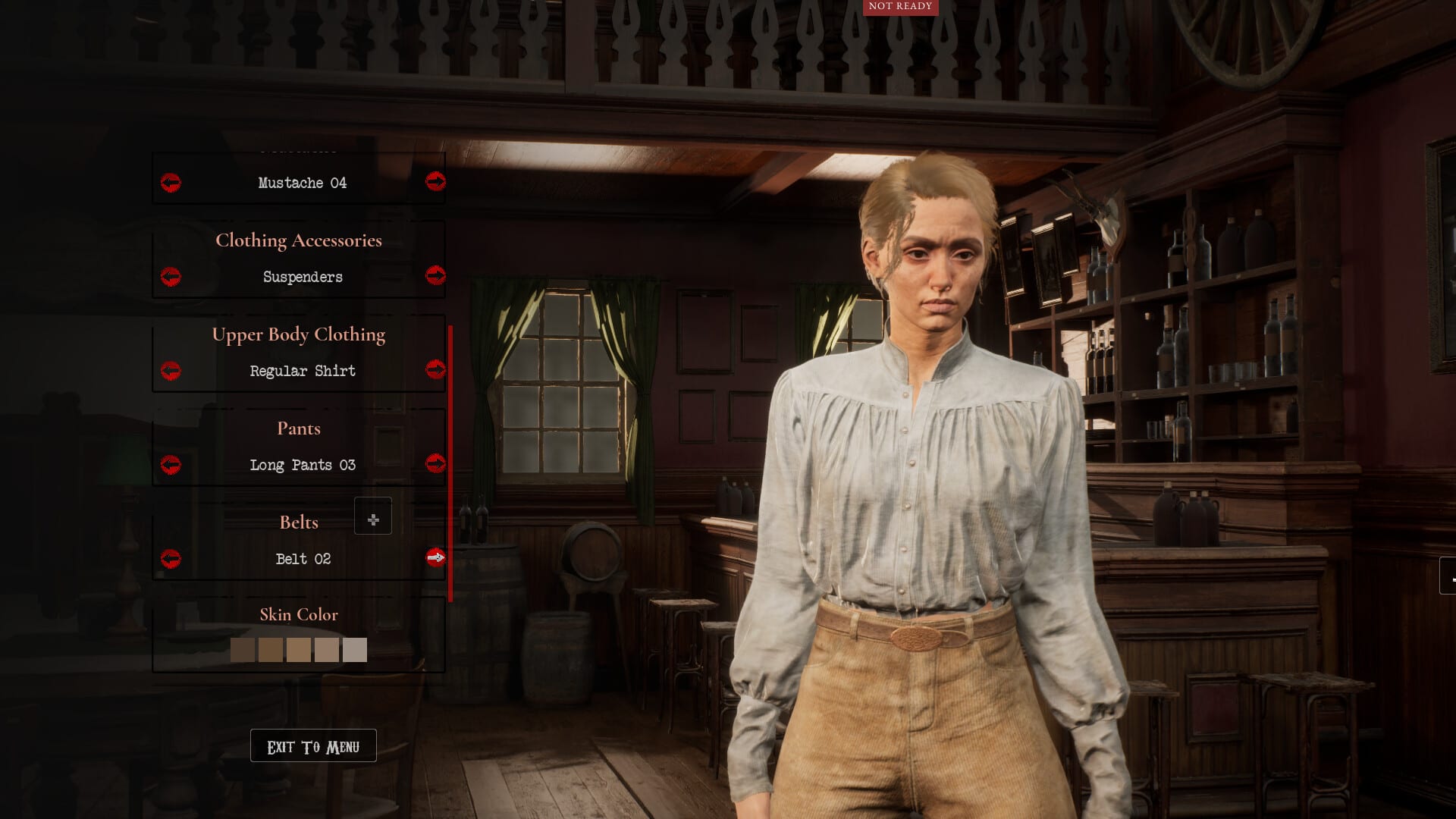
Survival in Western Rye is a stack of honest jobs. You chop wood, mine ore, smelt ingots, cook meals that do something, brew later, hunt bison, fish a lake, and install a well before thirst writes your obituary. This hub gathers those systems so you do not have to bounce between random tips while a sandstorm erases the yard.
If you still need the first-day order of operations, use getting started and the first-night checklist. This hub assumes you already accepted that a door matters. The child pages go deeper:
- Crafting and mining — wood, ore, smelters, repairs.
- Water and wells — thirst, canteens, and the homestead pump.
- Cooking and brewing — campfires, the Homestead Stove, whiskey, moonshine.
- Hunting and fishing — bison, livestock, the lake.
- Weather and needs — sandstorms, rain, thirst, wells.
- Livestock and ranching — chickens, cattle, and pigs as a second farm.
Why these loops sit together
A smelter without food is a death timer. A farm without tools is a garden tour. A hunter without weather sense is a wet corpse with a pretty rifle. The official about text treats gather, cook, farm, fish, and hunt as one living-off-the-land sentence. Play it that way. Plant in the morning, mine at noon, cook before dusk, and do not smelt beside a Husk ruin at night. How to beat Husks explains the last part.
Co-op splits the stack cleanly. One outlaw farms, one mines, one cooks, one watches. That is the adult version of co-op. Solo players just run the same stack in series and sleep more.
How to get resources without starving
Wood is the first language. Ore is the second. Herbs and cactus fill the gaps while crops grow through four stages. Read farming so you stop pretending harvests are instant. Then spend ingots on tools you will repair, not on a shrine of unused rifles. Weapons can wait until the axe exists.
Meals are buffs with manners. The copy says cooked food on a stove actually does something. Believe the verb. Brewing whiskey and moonshine is a later flex, not a hydration plan. Water is a well. Alcohol is a story you tell after the well works. Weather and needs will repeat that until it sticks.
How to protect the surplus
Surplus attracts factions. Bandits like routes. Cultists like isolated kitchens. Arson gangs like wood. A full pantry is a quest marker if you leave the door open. Architecture sits on homestead building. Human threats sit on factions. The survival lesson is smaller: do not advertise a successful week with midnight target practice.
When Early Access adds more stations and recipes, this hub will still be the index. The Updates Hub will catch the patch notes. Until a new station exists in your build, master the ones the store page already sold you: smelter, stove, planter, well.
If you came from the Guides Hub, pick one child system and run it for a full day. Survival is not a title screen. It is a calendar you can eat.
Frequently Asked Questions
Quick answers to the most common questions.
What is the most important survival stat?
Thirst first, then shelter and a cooked meal. Fashion and extra barns can wait.
Should I mine or farm first?
Plant first because crops take four stages. Mine after the planter exists so harvests arrive while you are underground.
Is brewing a survival need?
No. Brewing is a late-loop craft. Water comes from a well. Keep those jobs separate.